In this guide
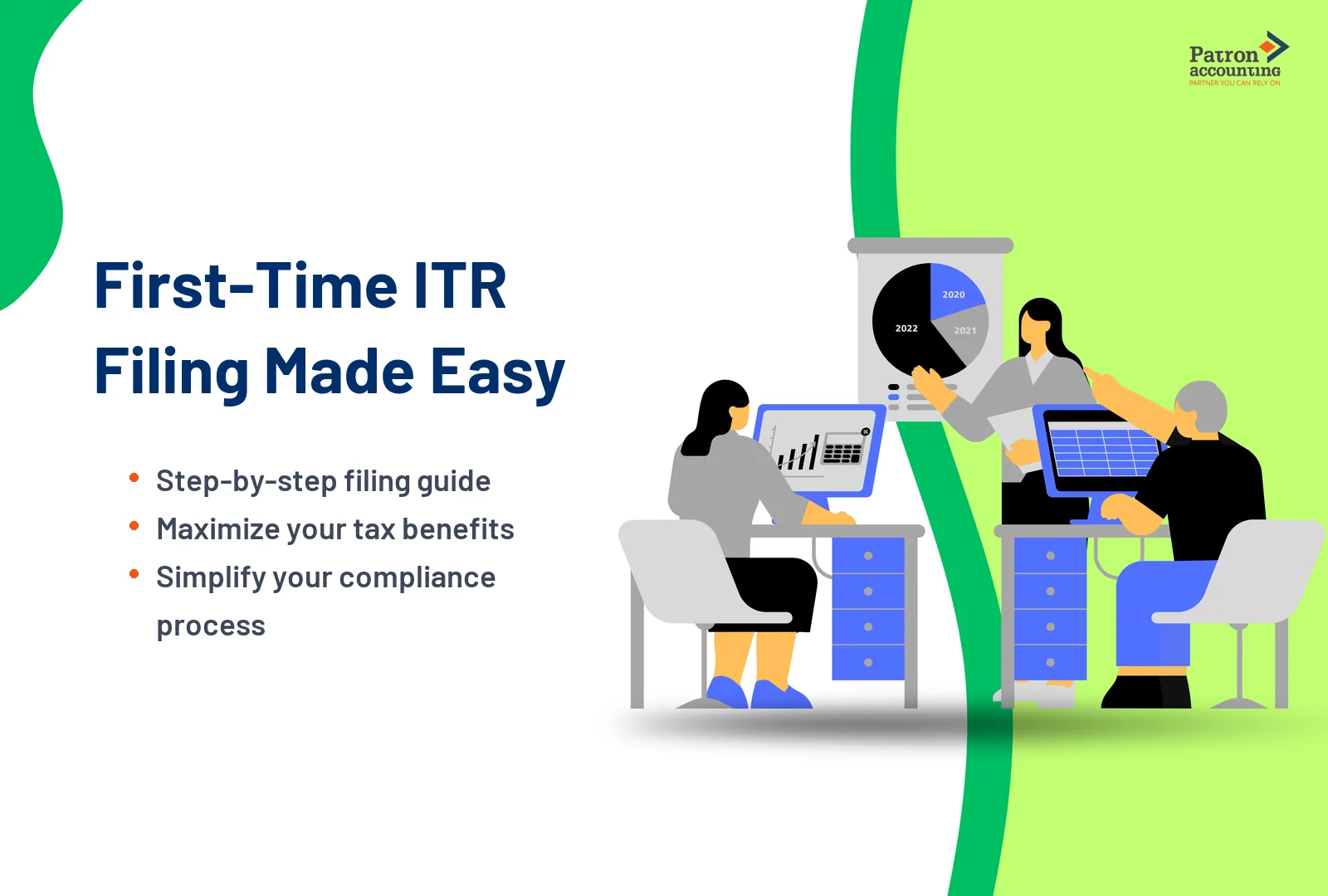
Filing your income tax return for the first time can feel intimidating. The forms, calculations, and compliance requirements seem complex when you're starting out. However, first time ITR filing is simpler than it appears, especially with the user-friendly online portal the government provides.
This comprehensive guide is designed for every new taxpayer income tax return filer. Whether you're a fresh graduate starting your first job, a freelancer earning above the threshold, or someone who's finally ready to formalize their tax compliance, this beginner ITR filing India guide covers everything you need to know about how to file ITR first time.
Do You Need to File ITR: Understanding the Basics
Before learning how to file ITR first time, you should know whether filing is mandatory for you. The Income Tax Act specifies clear criteria.
| Category | Filing Mandatory If Income Exceeds |
| Individuals below 60 years | Rs. 2.5 lakh |
| Senior Citizens (60-80 years) | Rs. 3 lakh |
| Super Senior Citizens (80+ years) | Rs. 5 lakh |
| New Tax Regime (all ages) | Rs. 3 lakh |
Even if your income is below these limits, filing may be beneficial to claim TDS refunds, build financial history for loans, or establish income proof for visa applications.
Getting Started: Registration and Preparation
Every new taxpayer income tax return journey begins with proper preparation. Here's what you need before filing.
Prerequisites for First-Time Filers
- PAN Card: Your 10-digit Permanent Account Number is mandatory
- Aadhaar Card: Must be linked to PAN for e-verification
- Bank Account: For refund credit and account validation
- Email and Mobile: For OTP verification and communications
- Income Documents: Form 16, bank statements, investment proofs
Registering on the e-Filing Portal
Step 1: Visit the Income Tax e-Filing Portal.
Step 2: Click "Register" on the homepage.
Step 3: Select "Individual" as taxpayer type and enter your PAN.
Step 4: Fill in personal details: name, date of birth, gender (must match PAN records).
Step 5: Enter contact details and verify with OTPs sent to mobile and email.
Step 6: Create a strong password and set security questions.
Step 7: Your account is now active. Login with PAN as User ID.
Choosing the Right ITR Form
For beginner ITR filing India, selecting the correct form is crucial. Using the wrong form leads to rejection.
- ITR-1 (Sahaj): For salaried individuals with income up to Rs. 50 lakh from salary, one house property, and interest
- ITR-2: For individuals with capital gains, multiple properties, or foreign income
- ITR-3: For individuals with business or professional income
- ITR-4 (Sugam): For presumptive income under Section 44AD/44ADA
Most first-time filers starting their careers use ITR-1. The portal also suggests the appropriate form based on your profile.
Step-by-Step: How to File ITR First Time
Here's the complete first time ITR filing process. Follow these steps carefully for successful submission.
Step 1: Login and Navigate
Login to the portal with your PAN. Go to "e-File" > "Income Tax Returns" > "File Income Tax Return". Select the assessment year (for income earned in FY 2024-25, select AY 2025-26).
Step 2: Choose Filing Mode
Select "Online" as the filing mode. Choose "Individual" as filing status. Select the appropriate ITR form (ITR-1 for most salaried beginners).
Step 3: Review Pre-Filled Data
The portal pre-fills your personal details, salary information, and TDS data from Form 26AS. Review each field carefully. Correct any errors in your address, bank details, or income figures.
Step 4: Enter Income Details
Verify salary income matches your Form 16. Add any other income: interest from savings account, FD interest, freelance earnings. The system calculates gross total income automatically.
Step 5: Claim Deductions
Enter deductions under Chapter VI-A: Section 80C (PPF, ELSS, LIC, PF), Section 80D (health insurance), Section 80TTA (savings interest up to Rs. 10,000). Check CBDT guidelines for complete deduction list.
Step 6: Choose Tax Regime
Compare tax under old regime (with deductions) versus new regime (lower rates, fewer deductions). The portal shows liability under both. Select whichever results in lower tax.
Step 7: Verify Tax Computation
Review the computed tax liability. Check TDS already deducted. If TDS exceeds liability, you'll see refund due. If TDS is less, you'll need to pay the balance.
Step 8: Submit and Verify
Preview your return for accuracy. Click "Proceed to Validation". Once validated, click "Proceed to Verification". Choose e-verification via Aadhaar OTP (simplest method). Your return is now submitted and verified. For assistance, consider professional ITR Filing Services.
What Happens After Filing
- Acknowledgement: Download ITR-V acknowledgement as proof of filing
- Processing: The department processes your return within weeks
- Intimation: You receive intimation under Section 143(1) confirming acceptance
- Refund: If applicable, refund is credited to your bank account
- Track Status: Check "View Filed Returns" to monitor processing status
Conclusion: Your Tax Journey Begins
First time ITR filing marks an important milestone in your financial life. As a new taxpayer income tax return filer, the process may seem daunting initially, but the step-by-step approach makes beginner ITR filing India manageable.
Now that you know how to file ITR first time, start early, gather your documents, and file before the deadline. The habit of timely filing builds your financial credibility, ensures compliance, and makes each subsequent year easier. Your tax journey has begun. Embrace it as part of responsible financial management.