



What Makes Warehousing Stock Different
📌 TL;DR - Stock Audit for Warehousing Services at a Glance
A warehouse audit tests whether goods sit in the bin the system claims, and whether they belong to the company reporting them. Bin-level verification, goods in transit at cut-off, cross-dock material and third-party allocations are each settled separately. Customs bonded material remains under control of the Customs Act 1962 until duty is paid, so it is counted apart. Ideal where 1 shed holds several principals at once.
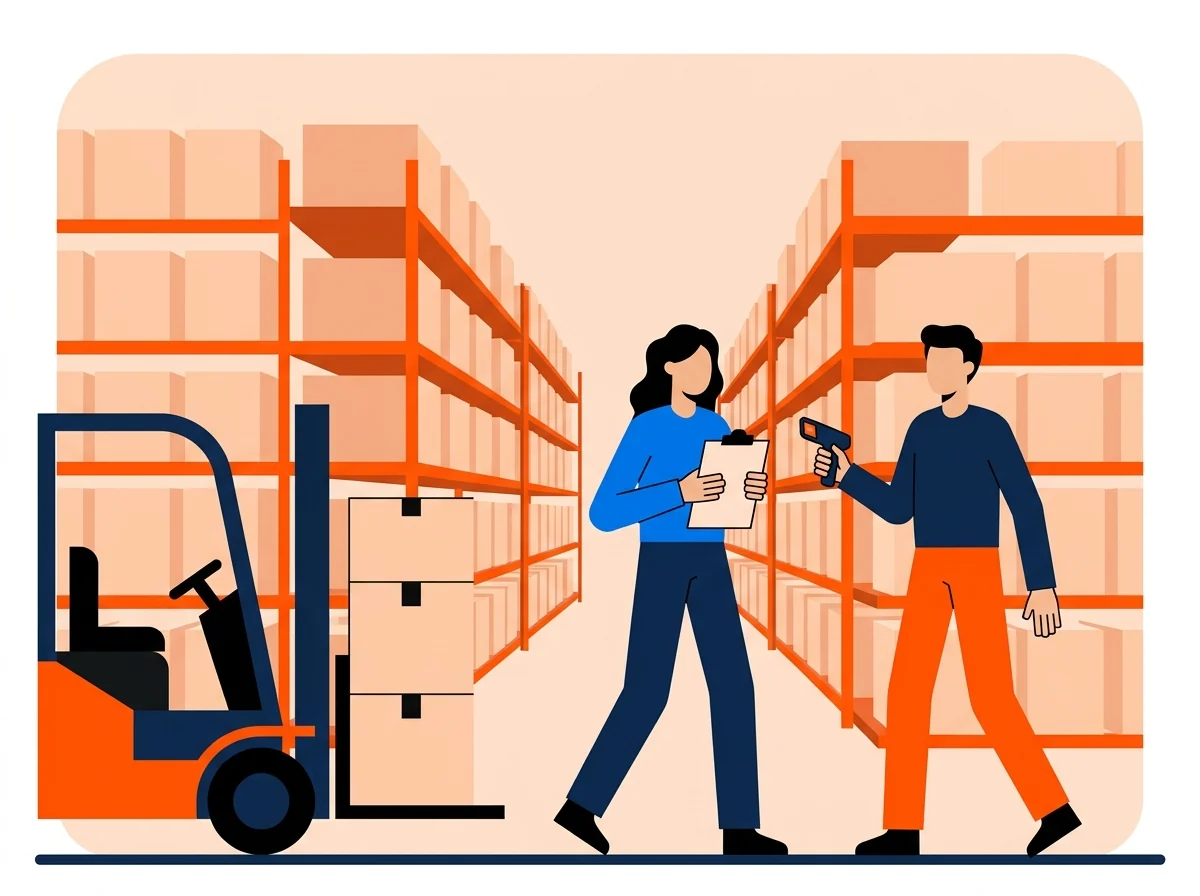
A warehouse audit is rarely about whether the stock exists. It usually does. The question is whether it is where the system says, whether it belongs to the company whose balance sheet carries it, and whether the movements in and out were recorded in the right period. A warehouse can hold the right total and still fail every one of those tests.
Location Accuracy Matters More Than Quantity
Warehouse stock is addressed, not just held. Put-away into the wrong bin, partial picks left unconfirmed, and replenishment moves recorded after the fact all break the link between record and location. The total may reconcile while a third of the lines sit somewhere other than their address, which is why a warehouse audit checklist tests bin-level accuracy rather than a single closing total.
Stock You Hold but Do Not Own
Third-party logistics sites and shared godowns hold stock for several principals at once. third-party / 3pl held stock belongs on the principal's books, not the operator's, and bonded stock sits under customs control until duty is paid. Counting a warehouse without first establishing ownership of every zone produces a number that reconciles to nothing, because it is the sum of several companies' inventory.
Why the WMS Report Is Not the Count
A warehouse management system reports what it was told. Negative stock at line level, adjustments posted to make a pick complete, and receipts confirmed before the vehicle was unloaded all survive in the report and disappear only under a physical check. An independent count tests the system rather than trusting it, which is the difference between a warehouse stock audit and a system extract, and the reason a stock audit is not satisfied by a printout.