



What Makes Electronics Stock Different
📌 TL;DR - Stock Audit for Electronics Services at a Glance
A stock audit for electronics manufacturers reconciles identities rather than quantities, matching each serial or IMEI against the position the records claim. Dealer consignment, refurbished returns and units held at service centres are verified separately from warehouse stock. Disposal of end-of-life units falls under the E-Waste (Management) Rules 2022, so scrapping records are examined alongside the count. Chosen by brands funding dealer stock through channel finance.
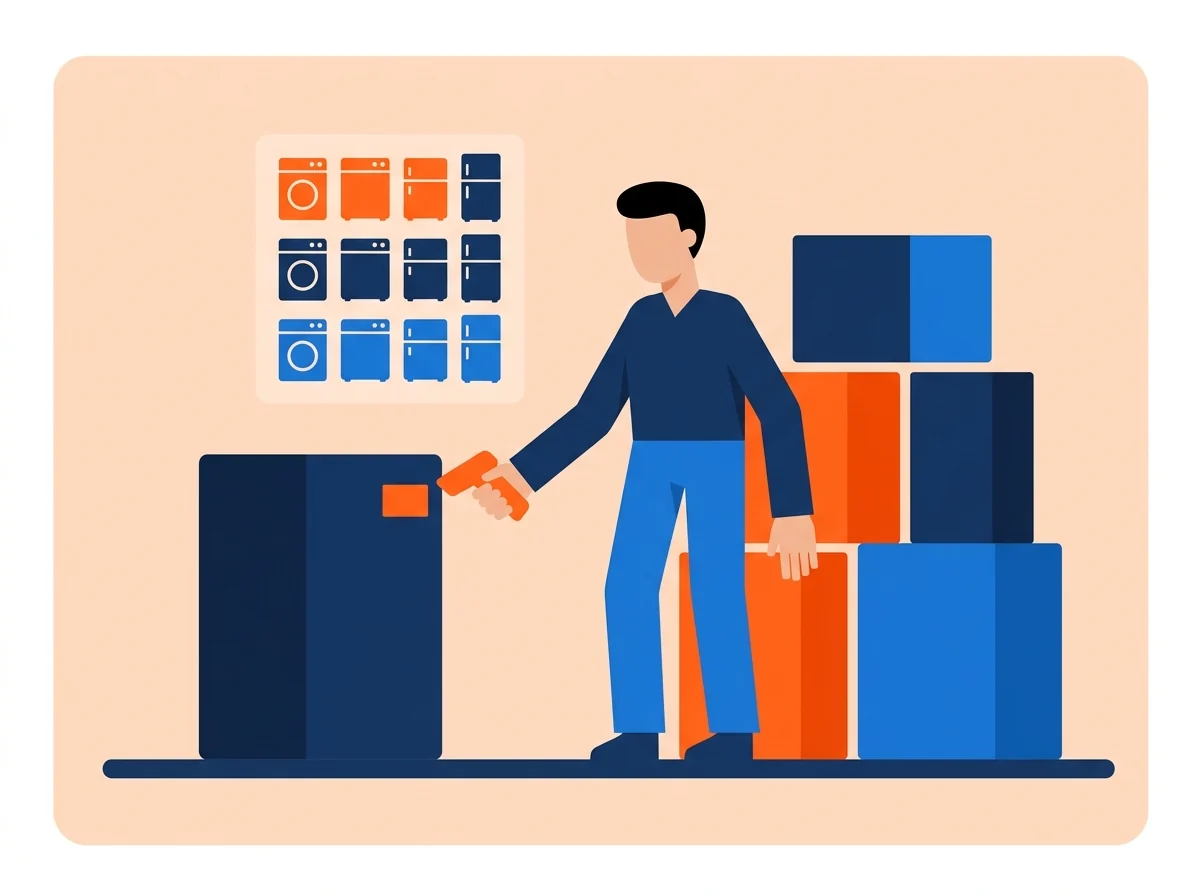
The count works on identities rather than on quantities. A carton of thirty units is thirty serial numbers, each traceable to a warranty, a dealer and possibly a lender. Value falls while the box stays sealed, and a large part of the stock stands on shelves the company does not control. Counting electronics and white goods the way one counts commodities loses all three of those facts.
Stock Identified by Serial, Not by Quantity
serial number tracking turns a count into a reconciliation of identities: which units are in the warehouse, which have shipped, which are with a service centre, and which were reported sold months ago and are still physically present. Where a lender has funded specific units, the serial is the only thing that ties stock on a shelf to the security a bank believes it holds.
Value That Falls While the Box Sits Shut
Electronics lose value on a launch calendar rather than a wear calendar. A model superseded by the next generation is complete, boxed and worth less than it was last quarter, and the write-down usually lags the market by a full cycle. Electronics inventory management treats ageing as a pricing question, so the audit reports how long each model has been held rather than only how many are there.
Dealer Shelves Full of Your Stock
consignment stock at a dealer remains the manufacturer's until it sells, and it is frequently the largest single block of inventory outside the plant. Alongside it sits refurbished stock returned from customers and put back into the channel at a different value. Both need verification at the dealer's premises, which is why a stock audit in this sector runs across locations the company does not operate.