


Talk to an Expert
Talk to an Expert ✆ +91 945 945 6700
500+ stock audits completed

Stock Audit for Pharmaceutical Manufacturers in India

Reviewed by CA and CS Team, Patron Accounting LLP ICAI & ICSI Registered| 15+ Years Experience| Last Updated: 20 August 2026 Verify Credentials →

Expiry Exposure Priced Before It Bites: Stock in the pharmaceutical warehouse aged against remaining shelf life, so what falls due in the coming quarters is a number now rather than a surprise later.

Quarantine Stock Separated From Saleable Value: Material under test, rejected or held pending release reported apart, so the saleable position is not inflated by stock that cannot lawfully be sold.

Batch Traceability You Can Show an Inspector: Physical stock reconciled to batch records in both directions, which is the evidence a recall or an inspection asks for and the hardest thing to reconstruct afterwards.

Quarantine, released and rejected stock kept apart, at the count and in the report.

15+ YearsIndustry Experience
CA & CSCertified Experts
4.9
Based on 500+ reviews

Get Free Consultation

Talk to a CA/CS expert today

🇮🇳 +91

Our team will get back to you shortly. No spam.

What Clients Say

Hear how teams across industries use Patron to save time, cut costs, & stay in control.

Fetching latest Google reviews…
Sunny Ashpal
Sunny Ashpal
Director - Demandify Media

I've had an outstanding experience working with Patron Accounting. Their professionalism, attention to detail, and timely communication made the entire process smooth and stress-free. Highly recommended for anyone seeking reliable and knowledgeable financial guidance!

Anjanay Srivastava
Anjanay Srivastava
Founder - Hunarsource Consulting

I'm glad that I was able to connect with Patron. They took the minimum time to do the calculations based on the details provided by me and were really impressed by their acumen. And it's not expensive at all. Good guidance while filling was given as well.

From the very beginning, their approach has been highly professional, prompt, and solution-oriented. Every interaction reflected their deep knowledge, attention to detail, and a genuine willingness to help. It gave me immense confidence and peace of mind.

Patron Accounting gives the best service related to all account handling of our firm. I am blessed and extremely happy that Patron Accounting assigned Anu to take care of our company's needs. She files all returns timely and is most kind and respectful towards us.

I got financial services from them for my private limited company. They are having good and qualified staff to provide services in a professional manner which is beneficial for me.

I have been taking services of Patron Accounting from 5 years and found them highly professional and the best people for all taxation related work be it individual or company services. Highly recommended.

500+ stock audits completed

Rated 4.9 on Google across 13 reviews.

Talk to an Expert
500+Stock Audits CompletedCounts run across borrower sites and cities.
15+Years ExperienceICAI and ICSI registered, in Indian accounting and certification.
CA-SignedAudit ReportsSigned by a Chartered Accountant in practice, not a checker.
4.9★Google RatingAcross 13 verified Google reviews.
UDIN on Every ReportVerifiable against the ICAI record before a lender relies on it.
SSL SecureYour financial and business data is fully protected.

What Makes Pharma Stock Different

📌 TL;DR - Stock Audit for Pharma Services at a Glance

A stock audit for pharmaceutical manufacturers counts to batch level, because expiry, retest date and release status decide whether stock is saleable. Quarantined, under test and rejected material is separated from saleable stock, and destruction records are matched against what was provided for. Schedule M of the Drugs and Cosmetics Rules 1945 governs the storage and segregation conditions observed during the count. Common where one site holds intermediates and finished packs.

Batches are the counting unit here, not quantities. Every unit in a pharmaceutical warehouse belongs to a batch with a manufacturing date, an expiry, a test status and a storage condition, and any of those can make otherwise saleable stock unsaleable without a single unit moving. Quantity agreement is the easy part. Status agreement is the audit.

Every Unit Belongs to a Batch

Batch identity runs from the active pharmaceutical ingredient (api) through granulation, packing and dispatch. A count that agrees at SKU level and disagrees at batch level has found a real problem: material issued from a batch other than the one recorded, or packed stock that cannot be traced back to a released batch. Batch-level agreement is also what makes a recall possible, which is why it is tested rather than sampled lightly.

Stock That Expires Whether It Moves or Not

Pharmaceutical stock has a clock running on it. Finished goods approach expiry, and API and intermediates approach a retest date after which they cannot be used without re-analysis. Dispatch under fefo (first expired, first out) keeps the nearest-dated stock moving first; where it has not been followed, the audit finds short-dated stock sitting behind fresher material, already provisioned for in substance but rarely in the books.

Quarantine Is a Status, Not a Location

Under Schedule M, material awaiting release, under test or rejected must be both physically segregated and clearly labelled. Segregation is what prevents a mix-up on the floor; the status is what carries that condition into every system that later relies on it, which is why the two have to agree. Stock standing in a quarantine area with a released status, or released stock still flagged under test, is a finding in both directions. A stock audit checks the label, the system status and the release documentation against each other before anything is counted as saleable.

What a Pharma Stock Audit Covers

Coverage runs across every material state a pharmaceutical warehouse holds, from active ingredient through intermediates to finished dosage, with batch identity carried on every line. The boundary is firm and frequently misunderstood. This exercise records quantity, batch, date and recorded status. It makes no judgement about quality, because quality status is determined by the site's own qualified persons against test data, not by a counting team.

01

API, Intermediates and Finished Dosage Counted Separately

Three populations with three units of account. Active ingredient is held in drums and containers, verified by identity and weight against the batch record. Intermediates sit between operations and are recorded at the stage reached. Finished dosage is packed, countable and traceable to a released batch. Each is reconciled to its own record, and material moving between them across the cut-off is documented so that a quantity is not counted twice under two different descriptions.

02

Batch, Expiry and Retest Dates Captured per Line

Every counted line carries its batch number, its manufacturing date and either its expiry or its retest date. This is what converts a quantity into a position that can be aged and provided for. It also makes traceability testable in both directions, from batch record to physical stock and back from a pack to the batch that produced it. Without date capture the count establishes only that material exists, which for this sector settles very little.

03

What a Count Says Nothing About in Quality Terms

It says nothing about whether material meets specification. Sampling for analysis, release decisions and stability conclusions belong to the quality function and its qualified persons. The count records that a lot is flagged as quarantined, under test, released or rejected, and tests that the flag, the label and the release documentation agree. Where they disagree, that is a control finding to report, not a quality judgement to make.

Key terms on this page:

Stock Audit for Pharma in India
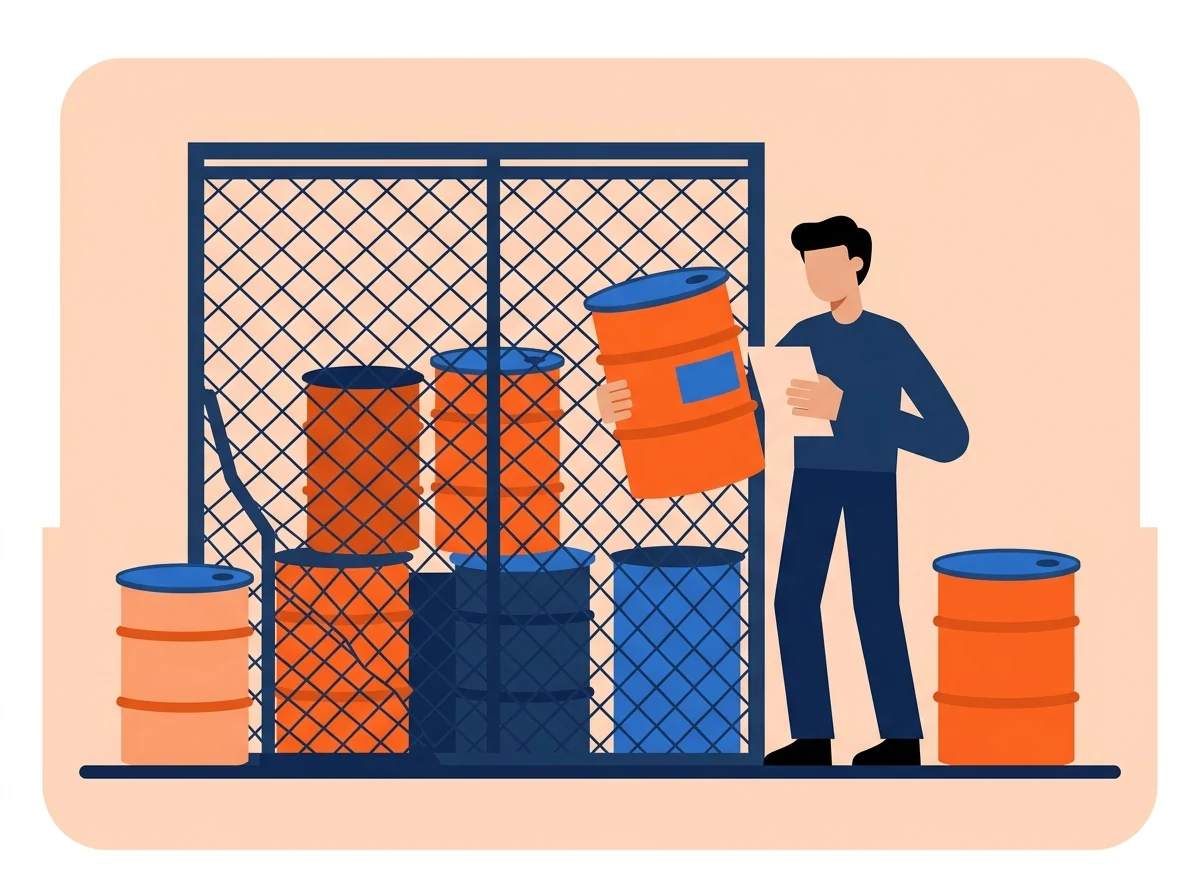
Verifying quarantined and released material separately in a pharmaceutical production store

Who Commissions a Pharma Stock Audit

Readers here are separated by what they hold rather than by size, and most run a pharmaceutical warehouse of their own. Finished packs against a lender's limit, high-value intermediates that dominate the balance sheet, or temperature-controlled stock whose value depends on how it has been kept.

Formulation Units Reporting to a Lender

A formulation unit financed against working capital has to present a stock position that will survive a bank's reading. The reader's difficulty is that batch status, not quantity, decides how much of the holding is genuinely saleable, and a statement that ignores quarantine and near-expiry overstates security in a way an auditor will find.

API Manufacturers Holding High-Value Intermediates

For a bulk drug maker, value concentrates in drums of intermediate material that look alike and differ enormously in worth. This reader needs identity established as firmly as quantity, because a mislabelled or mistraced container is a valuation error rather than a counting one. Plant and equipment for the same site sit with how we verify fixed assets.

Distributors Carrying Temperature-Sensitive Stock

A distributor holding cold-chain product is exposed to a risk that leaves no visible trace. Stock can be complete, in date and unsaleable because it went outside its range in transit or during a power failure. The reader needs the monitoring record read alongside the count, since without it a quantity says nothing about value.

Scope and Deliverables for Pharma

DeliverableWhat It Includes
Batch-Wise Stock Position With Expiry AgeingEvery line in the pharmaceutical warehouse carrying its batch, manufacturing date and expiry or retest date, aged so that what falls due in coming periods is visible now.
Quarantine, Rejected and Recall Stock ScheduleMaterial held under each status listed apart from saleable stock, with the label, the system flag and the release documentation tested against one another.
Cold Chain Stock Position With Excursion NotesTemperature-controlled holdings recorded with the monitoring record for the period held, and any excursion noted against the affected lots.
Our Process

How the Count Runs in Pharma

Each phase is fixed before the next begins, so a difference found on site can be traced back to the point it arose.

Step 1

Counting Inside a Controlled Area

Entry follows the site's own gowning, access and hygiene rules rather than any convenience of the counting team. Areas are entered under the site's permit system, and material is verified without breaking a seal or a controlled condition.

Counting Inside a Controlled Area
Step 2

Batch Numbers Read Against the Batch Record

Batch numbers are read from the container itself and matched to the batch record, never taken from a system extract. The whole purpose of the step is to test whether those two agree, which a count copying the extract can never do.

Batch Numbers Read Against the Batch Record
Step 3

Quarantine and Rejected Stock Counted Last

Material under quarantine, under test or rejected is counted at the end and reported apart from saleable stock in the pharmaceutical warehouse. Label, system status and release paperwork are read against one another before anything counts as available.

Quarantine and Rejected Stock Counted Last

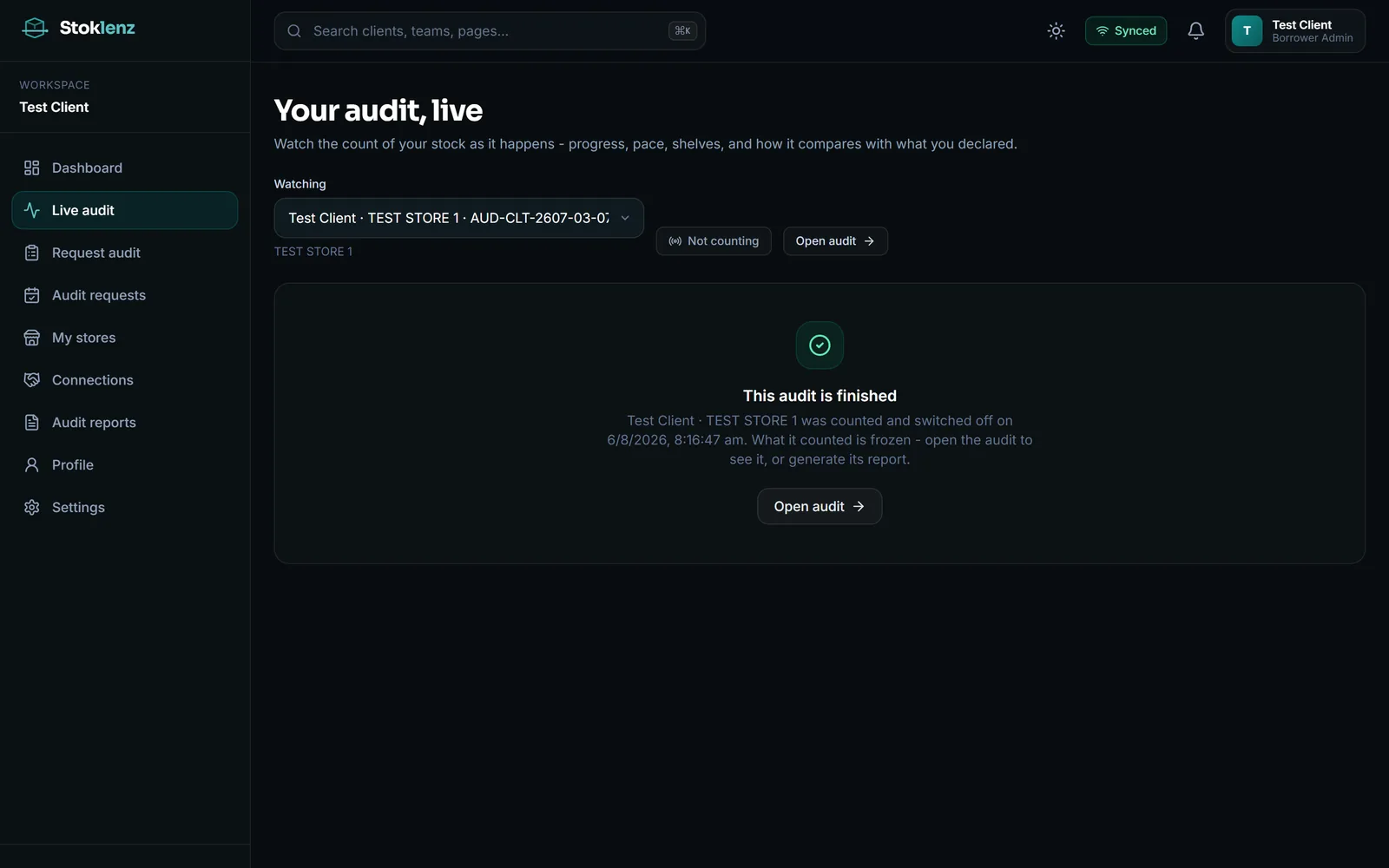
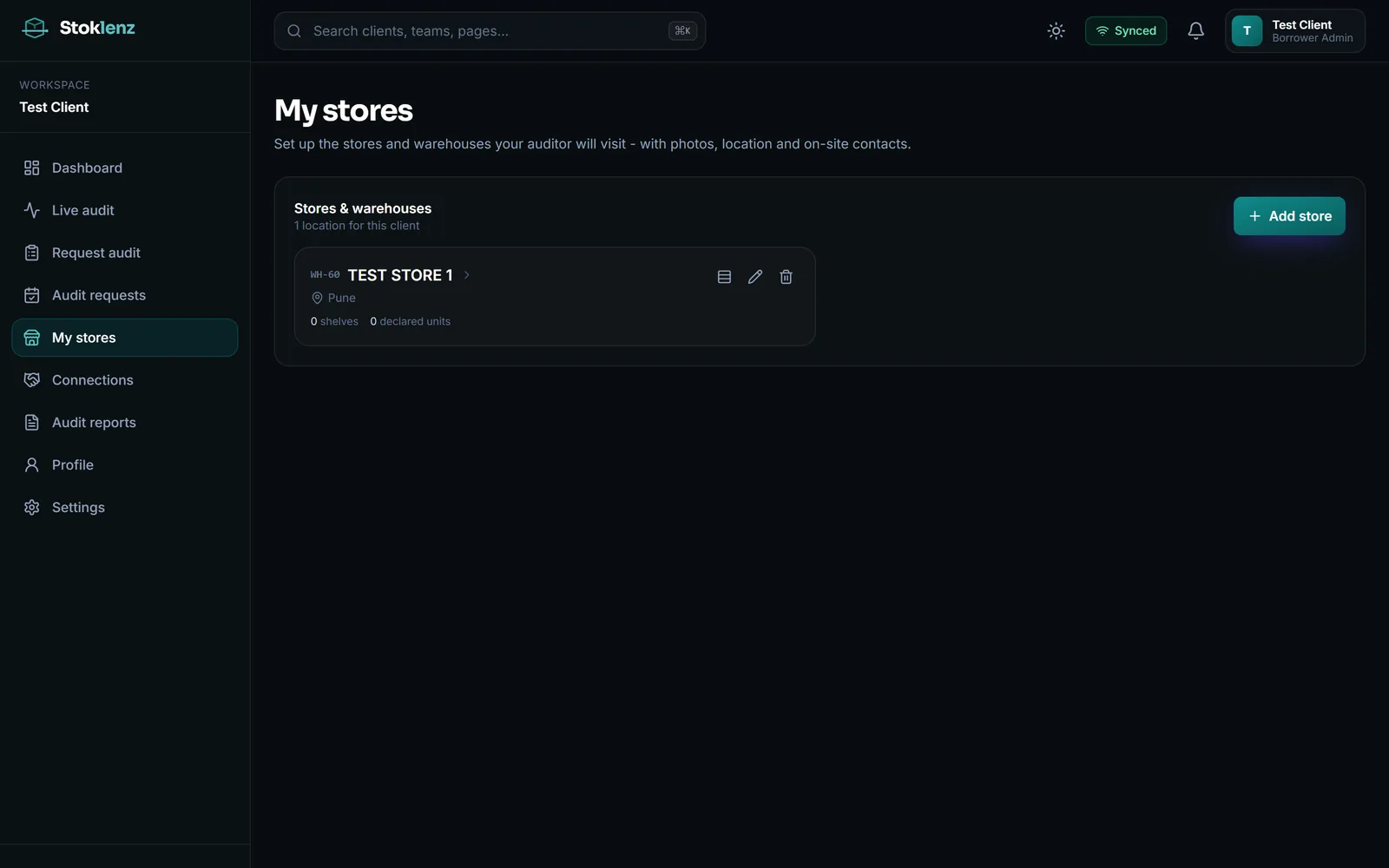
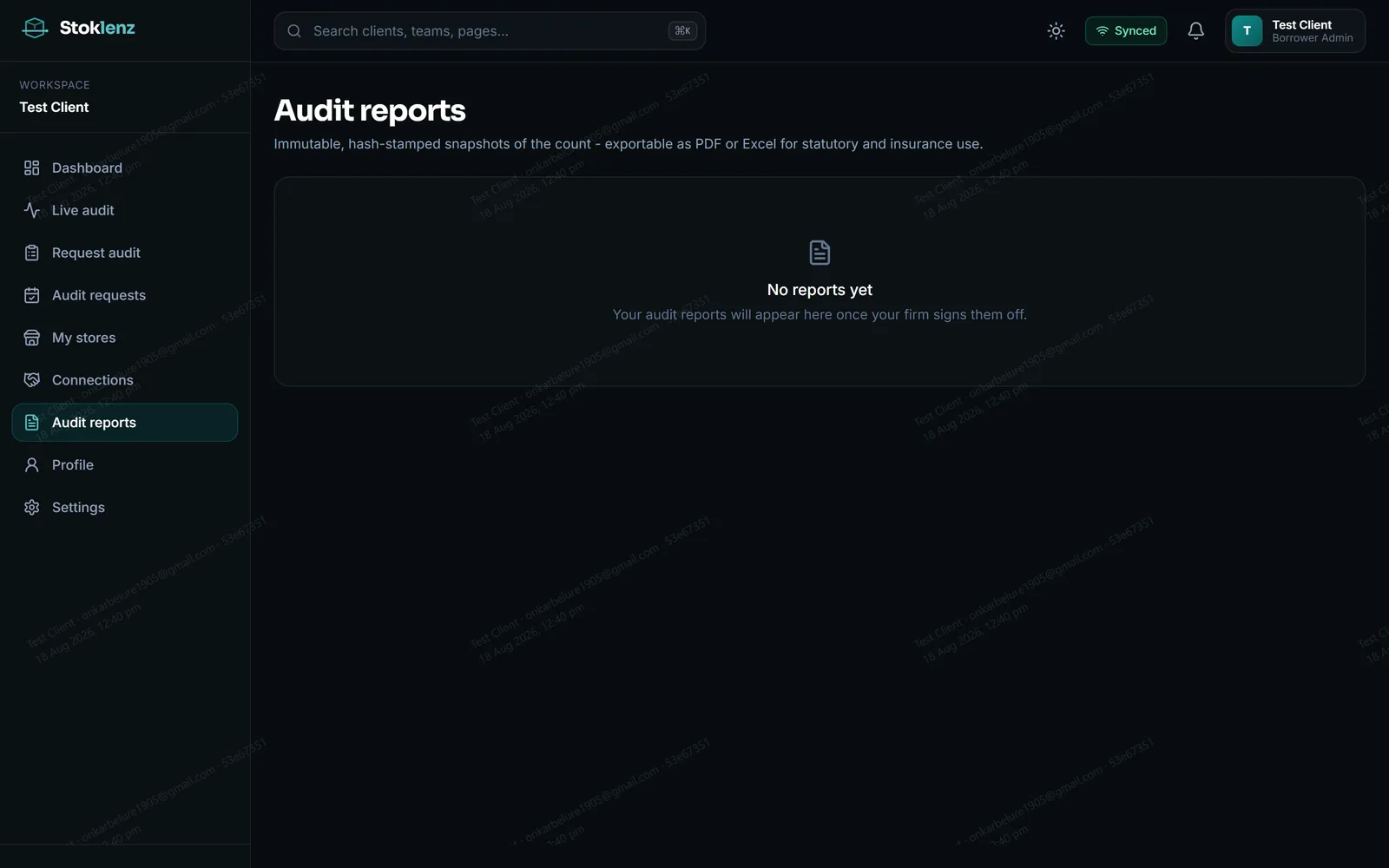
Counting Pharma Stock on Stoklenz

Play the interactive demoWalk a count through Stoklenz, scan by scan

Run your next count on Stoklenz

Barcode counting against live book stock, geo-fenced attendance and a variance schedule that comes out of the captured data. Send your site list and the scope comes back against it.

Explore Stoklenz →
Live audit: the count as it happens on the floor, rather than a status typed up afterwards01

Batch Numbers Read by Scanner at the Rack

Batch identity is captured from the container in the pharmaceutical warehouse rather than copied from an extract, which is the only way the two can be shown to agree.

My stores: every site that can be counted, held against the facility rather than re-listed at each engagement02

Expiry Ageing Calculated as the Count Runs

Remaining shelf life is computed against each line as it is recorded, so what falls due in coming periods is visible before the team leaves the site.

Audit reports: working papers and variance schedules produced from the captured count, not re-keyed from it03

Excursion Notes Attached to the Affected Batch

Where a temperature deviation has been logged, the note travels with the batch in the count file rather than sitting in a separate monitoring record nobody opens.

Records We Work From

  • Batch Manufacturing and Packing Records - Batch records for the periods held, so packed stock in the pharmaceutical warehouse ties back to a release decision and issued material ties forward to what it became.
  • Controlled Substances Against the Statutory Register - The statutory register for controlled substances, reconciled to physical stock separately, since this population carries obligations beyond ordinary inventory accounting.
  • Temperature Logs for the Storage Period - Monitoring records covering the whole period the stock has been held, not just the count date, because an excursion weeks ago is what decides present saleability.
  • Destruction and Recall Documentation - Certificates, register entries and approvals for anything destroyed or recalled. A provision without a destruction record leaves the stock still on the floor and still in the count.

Batch, Expiry, Quarantine and Temperature Excursions

IssueWhat It Does to the Count
Expired Stock Still Sitting in Saleable LocationsMaterial past its date left on the rack in the pharmaceutical warehouse, counted as available because nothing moved it to a segregated bay.
FEFO Followed on Paper and Not on the RackA dispatch policy stated in the SOP while the picker takes what is nearest. The count finds short-dated stock behind fresher material.
Excursions Recorded but Never AssessedA temperature deviation logged, and no decision documented about the affected lots. The stock remains at full value with an open question attached.
Destruction Pending for Longer Than Anyone RealisedProvided-for material still physically present a year later, awaiting a destruction that has not been scheduled. A provision is not a disposal.

What Drives the Fee

What Moves the FeeWhy
Batch Count and SKU DepthCounting to batch level in a pharmaceutical warehouse multiplies the line count, since one SKU held across six batches is six recorded positions rather than one.
Cleanroom and Cold Chain Areas IncludedControlled areas take longer to enter and can only be counted in short passes, which spreads the work across more elapsed time than open warehousing.
Gowning and Access Restrictions on SiteClearance and gowning consume working hours before counting begins, and the time lost has to be planned into the day rather than absorbed.

All fees and charges listed are indicative only and do not constitute a binding offer. Final amounts may vary depending on the volume of work and the complexity involved.

Get a free Stock Audit for Pharma consultation - Call +91 945 945 6700 or WhatsApp us. No-obligation assessment.

Key Benefits

What the Count Finds

Expiry Exposure Priced Before It Bites

Stock in the pharmaceutical warehouse aged against remaining shelf life, so what falls due in the coming quarters is a number now rather than a surprise later.

Quarantine Stock Separated From Saleable Value

Material under test, rejected or held pending release reported apart, so the saleable position is not inflated by stock that cannot lawfully be sold.

Batch Traceability You Can Show an Inspector

Physical stock reconciled to batch records in both directions, which is the evidence a recall or an inspection asks for and the hardest thing to reconstruct afterwards.

Counts Run in Pharma

500+ stock audits completed.

  • Batches Verified and Units Counted
  • Formulation and API Sites Covered
  • Turnaround for a Batch-Level Count

Across engagements run by the Patron team. The figure is counted from completed engagements only, and it is restated when it changes rather than rounded up and left. Scope for any one count is still agreed against your own site list.

Why Businesses Choose Patron Accounting

Crews Cleared for Cleanroom and Cold Chain Work

Counting inside a pharmaceutical warehouse follows the site's gowning, access and temperature rules, so clearance is arranged in advance rather than negotiated at the door.

Reports Written for Finance and Quality Together

Batch, status and expiry detail is presented so that the finance team can value it and the quality function can recognise it, rather than in a format only one of them reads.

Coverage Across the Pharma Belts We Work In

Formulation units, bulk drug sites and cold storage holdings are covered under one appointment and one cut-off across the belts in scope.

A Pharma Count We Have Run

Near-Expiry Value Nobody Had Provisioned

controlled area · batch and expiry captured against every line

A formulations manufacturer

  1. 01The challenge

    Every batch on hand was inside its expiry date, so nothing was provisioned. Write-offs were arriving in lumps whenever a batch finally expired.

  2. 02What we did

    Counting inside the controlled area with gowning completed first, we captured batch and expiry against every line and aged the holding against remaining shelf life and actual offtake rate rather than against the expiry date alone.

  3. 03What the count found

    A quantity would expire before it could reasonably sell at current offtake. It was all technically in date and all effectively unsaleable. The lumpy write-offs had been this, arriving late.

  4. 04What changed

    The exposure was quantified while the stock could still be discounted, returned to trade or redeployed, and shelf-life ageing was built into the monthly stock report.

Rejected Batches Still Valued as Saleable

stock verified by status inside the controlled area

A formulations manufacturer with quarantine, released and rejected bays

  1. 01The challenge

    The three status populations were kept rigorously apart on the floor. Whether they were kept apart in the ledger had never been tested.

  2. 02What we did

    Stock was counted by status rather than by location alone, and each bay was reconciled to the system status for the same material.

  3. 03What the count found

    Material physically held in the rejected bay was still carried at saleable value in the system. The status change had been recorded on the floor and never in the ledger, so the balance sheet carried stock that could never be sold.

  4. 04What changed

    The valuation was corrected and the status change was made a system step rather than a physical one, so the ledger follows the bay automatically.

Why is batch traceability tested in a pharma stock audit?

Batch identity drives expiry, recall and quality decisions. A count that records only SKU totals cannot support a recall. The audit confirms that physical batches match the batch records, and that batch numbers on the shelf are legible and correctly captured in the system.

How is a pharmaceutical warehouse audit different from a general warehouse audit?

The count is similar; the controls tested are not. A pharmaceutical audit adds batch traceability, expiry and retest dates, quarantine segregation, storage conditions and destruction records, because stock can be physically present yet not legally saleable.

Are Schedule M requirements checked during a stock audit?

A stock audit is not a GMP inspection. It reports what is physically present and how it reconciles. Where storage or segregation practice clearly conflicts with good manufacturing requirements, that is normally raised as an observation for management rather than a compliance finding.

How is expired pharmaceutical stock handled at audit?

Expired stock is segregated, quantified by batch, and traced to a destruction record or a pending destruction. The audit checks that it has been removed from saleable stock in the system and that a provision exists, because expired goods carried at full value overstate inventory.

Is FEFO mandatory for pharmaceutical stock in India?

First Expired First Out is required in practice through the good manufacturing and distribution requirements under the Drugs and Cosmetics Rules and Schedule M, which are designed to prevent expired product reaching patients. Auditors test whether issue actually follows expiry order, not just whether a policy exists.

What is quarantine stock and how is it counted?

Quarantine stock is physically present but held pending quality release, so it is not yet available for sale. It is counted and reported separately. Treating it as saleable stock overstates availability and is a common dispute in pharmaceutical counts.

What is a retest date and how does it differ from expiry?

A retest date is the point at which material must be tested again to confirm it still meets specification, after which it may continue to be used. An expiry date is the point beyond which the product must not be used. Confusing the two misstates both stock value and usability.

How is active pharmaceutical ingredient stock verified?

API is high value and often stored under controlled conditions, so verification focuses on quantity by batch, storage condition, container integrity and reconciliation to the material ledger. Sampling is weighted toward value, because a small quantity variance can be financially material.

What does an auditor check about temperature-sensitive stock?

Beyond quantity, the auditor looks for evidence that storage conditions were maintained: temperature logs, alarm records and excursion reports. Stock that was physically present but stored outside its specified range may not be saleable, which affects valuation rather than count.

How is damaged or broken stock treated in a pharma count?

Damaged units are segregated, counted separately and excluded from saleable stock. Because packaging integrity affects whether a medicine can be sold at all, damage in pharmaceutical stock usually means write-off rather than a reduced-price sale.

Booking a Count

What We Need Before Entering a Controlled Area

Gowning and access requirements, the batch-wise stock extract, and temperature records for the period held. Entry to a pharmaceutical warehouse is arranged ahead of the visit.

Scheduling Around Production Campaigns

Count dates are set against the campaign plan, because a campaign that shifts moves the practical cut-off with it unless the schedule anticipates that.

Book a Free Consultation - No Obligation.

Reviewed by the CA & CS Team, Patron Accounting LLP
ICAI & ICSI registered  ·  15+ years in Indian accounting & certification  ·  Last reviewed 20 August 2026  ·  Next review 20 November 2026
Official sources: ICAIICAI UDIN PortalMCARBI