


Talk to an Expert
Talk to an Expert ✆ +91 945 945 6700
Made for BKC and Andheri Software Teams

IT and SaaS Sector Accounting in Mumbai

Reviewed by CA and CS Team, Patron Accounting LLP ICAI and ICSI Registered| 15+ Years Experience| Last Updated: 23 June 2026 Verify Credentials →

Built For: SaaS subscriptions, MRR/ARR reporting, Ind AS 115 deferred revenue, ESOP and export billing

Fees: Starting from INR 2,999/mo (Exl GST and Govt. Charges)

Eligibility: Mumbai SaaS startups, fintech firms, IT exporters, media-tech, and SEZ units

Stack: Stripe, Razorpay, Chargebee with Zoho Books, QuickBooks, or Xero

10,000+ Businesses Served | 4.9 Google Rating | 15+ Years Experience

15+ YearsIndustry Experience
CA and CSCertified Experts
4.9
Based on 500+ reviews

Get Free Consultation

Talk to a CA/CS expert today

🇮🇳 +91

Our team will get back to you shortly. No spam.

10,000+Businesses ServedStartups, SMEs, and growing companies across India.
50,000+Books ReconciledLedgers, returns, and reconciliations handled accurately.
4.9★Client RatingTrusted by founders, SaaS teams, and product companies.
ISO CertifiedProfessional standards and documented processes.
SSL SecureYour financial and business data is fully protected.

IT and SaaS Sector Accounting in Mumbai - Overview

📌 TL;DR - SaaS Accounting in Mumbai at a Glance

In Mumbai, SaaS accounting converts messy subscription billing into financials a board and an auditor can both trust. Patron Accounting reports MRR and ARR, schedules deferred revenue under Ind AS 115, zero-rates exports through an LUT, books ESOP cost under Ind AS 102, and ties Stripe and Razorpay payouts to the ledger. Fees start from INR 2,999/mo. Serving BKC, Lower Parel, Andheri, Powai, and the Mumbai SEZ corridors.

Quick ReferenceDetails for Mumbai SaaS and Fintech Firms
Revenue StandardInd AS 115 for subscription and contract revenue; deferred revenue as a contract liability
Applicable ToMumbai SaaS startups, fintech firms, media-tech, exporters, and SEZ units
Starting PriceStarting from INR 2,999/mo (Exl GST and Govt. Charges)
Export TreatmentZero-rated under Section 16 IGST Act; LUT in Form RFD-11; ITC refund via RFD-01
ESOP AccountingInd AS 102 fair value at grant date, amortised over the vesting period
Metrics TrackedMRR, ARR, NRR, churn, CAC, LTV, burn, and Rule of 40
Local AuthorityGST Commissionerate Mumbai; RoC Mumbai (MCA); SEEPZ SEZ

Mumbai pairs deep capital with a fast-growing software scene. A fintech SaaS company in BKC bills enterprise plans in USD, a media-tech platform in Andheri runs annual subscriptions through Razorpay, and a B2B product startup in Powai exports to the US and EU under an LUT. None of them is served by routine bookkeeping; each needs accounting fluent in subscriptions, recognition, and metrics. See our national IT and SaaS Sector Accounting service.

Patron Accounting's Mumbai team constructs the deferred revenue schedule, links recognised revenue to your MRR walk, and keeps export GST clean from invoice to refund. For the routine compliance underneath, see our Accounting Services. This page is reviewed quarterly for accuracy.

What Is IT and SaaS Sector Accounting?

IT and SaaS sector accounting is purpose-built for software companies, where income is recurring subscription revenue, a large part is invoiced ahead of delivery, and much of it comes from clients outside India.

For a BKC fintech SaaS firm, the central job is separating money collected from money earned. A year paid upfront is held as deferred revenue under Ind AS 115 and released into the profit and loss month by month. For an Andheri or Powai exporter, the emphasis moves to treating overseas billings as zero-rated under an LUT and recovering the input tax credit refund that follows.

This sector layer rides on top of ordinary books. The base bookkeeping still runs in Zoho Books Accounting in Mumbai or whichever ledger you use, while the SaaS layer adds recognition schedules, ESOP entries, and metric reporting. For routine GST work, see GST Return Filing in Mumbai.

Key Terms for SaaS Accounting in Mumbai:

MRR and ARR: The monthly and annual run-rate of your subscription base, normalised for one-off items.

Deferred Revenue: Subscription cash collected in advance, parked as a contract liability and earned over the service term under Ind AS 115.

Export of Services: Overseas SaaS revenue treated as a zero-rated supply under an LUT per Section 16 of the IGST Act.

ESOP Reserve: The accumulated share-based payment charge recognised under Ind AS 102 across the vesting period.

Net Revenue Retention: Upsell less churn inside your current accounts, the single metric Mumbai investors scrutinise most.

Deferred to Recognised, Tied to Ledger
Mumbai SaaS ARR | Contract Liability | LUT

Who Needs SaaS Accounting in Mumbai?

Any Mumbai software or fintech business that charges recurring subscriptions, exports services, or has taken on investors needs sector-specific accounting rather than generic bookkeeping.

  • Fintech and SaaS Firms (BKC/Lower Parel) - Boards and investors expect MRR, ARR, NRR, and a deferred revenue schedule that reconciles to the ledger.
  • Media-Tech and Platforms (Andheri/Powai) - High subscription volumes through Razorpay that must reconcile to bank and recognised revenue.
  • Cross-Border IT Exporters - USD and EUR billings needing LUT zero-rating and timely ITC refund claims.
  • Funded Companies With ESOP Pools - Ind AS 102 share-based payment cost that needs valuation and amortisation.
  • SEEPZ and SEZ Units in Mumbai - Zero-rated supplies with softex and unit-level reporting duties.
  • Teams Weighing R&D Capitalisation - Development spend that may qualify to be capitalised instead of expensed immediately.

Our IT and SaaS Accounting Services in Mumbai

ServiceWhat We Do
Recurring Revenue AnalyticsProduce an MRR walk splitting new, expansion, contraction, and churned revenue, rolling up to ARR and net revenue retention.
Ind AS 115 RecognitionEarn subscription revenue over the service term and keep a contract liability schedule that reconciles to the general ledger.
Export, LUT and RefundsZero-rate overseas billings under Section 16 IGST Act, keep the LUT current, and recover ITC through Form RFD-01.
Billing and Payout MatchingMatch Stripe, Razorpay, Paddle, and Chargebee payouts to bank and revenue, isolating fees, refunds, and forex.
ESOP and R&D TreatmentFair-value and amortise ESOP cost under Ind AS 102 and decide whether R&D spend is capitalised or expensed.
Board and Diligence ReportingProvide burn, runway, Rule of 40, and cohort analysis that lines up with your audited financials.

Need core compliance alongside this? See GST Return Filing and Income Tax Return Filing across India.

Our Process

How SaaS Accounting Works in Mumbai: 6-Step Process

A CA-supervised method for Mumbai software and fintech firms, from billing-system mapping to board-ready reporting.

Step 1

Billing System and Revenue Mapping

We chart your plans, billing cycles, and currencies across Stripe, Razorpay, or Chargebee and design the chart of accounts so cash, deferred revenue, and recognised revenue are kept apart from day one for your BKC or Andheri team.

Plans MappedChart Designed
Mapped01
Step 2

Deferred Revenue Setup Under Ind AS 115

We pin down each performance obligation, allocate the contract price across subscription, onboarding, and support, and construct the deferred revenue schedule. Advance billings sit as a contract liability and unwind monthly as the service is provided.

Obligations SplitSchedule Built
Scheduled02
Step 3

Gateway and Bank Reconciliation

Every month we tie gateway payouts to bank credits, stripping out processing fees, chargebacks, and forex movement. For Andheri and Powai exporters, USD and EUR receipts are matched to invoices so recognised revenue and GST stay in step.

Settlements MatchedForex Split
GatewayBank
Reconciled03
Step 4

Export, LUT, and ITC Refund Handling

Overseas billings are tagged zero-rated under Section 16 of the IGST Act. We renew the LUT in Form RFD-11, keep export evidence in order, and file accumulated input tax credit refunds through Form RFD-01 for your Mumbai entity.

LUT CurrentRefund Filed
Zero-Rated04
Step 5

ESOP, R&D, and Closing Entries

We fair-value ESOP grants under Ind AS 102 and amortise the cost across vesting, judge whether development spend can be capitalised, and post month-end accruals so the books close clean and audit-ready.

ESOP AmortisedBooks Closed
Accrued05
Step 6

Board and Investor Reporting

A CA signs off the close and we hand over an MRR walk plus ARR, NRR, churn, CAC, LTV, burn, and Rule of 40. Because every figure reconciles to your audited financials, a BKC founder presents one consistent set to the board.

Metrics ReadyCA Reviewed
REPORTED
Delivered06

Documents Required for SaaS Accounting in Mumbai

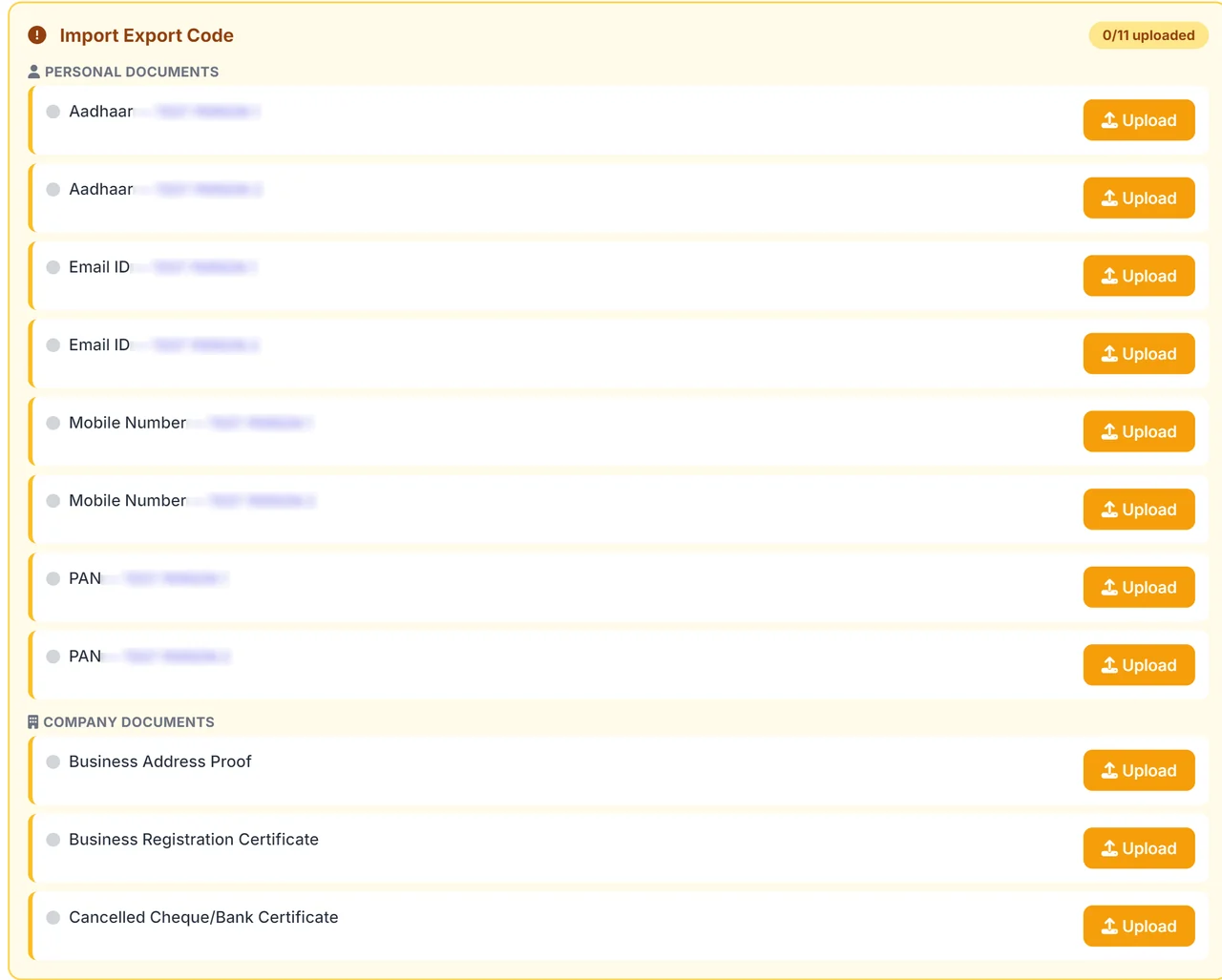
  • Billing System Exports - Stripe, Razorpay, Paddle, or Chargebee subscription and settlement reports
  • Bank and Forex Statements - Including USD or EUR accounts and FIRC or e-BRC for exports
  • Customer Contracts and Order Forms - To identify performance obligations under Ind AS 115
  • GST Registration and LUT - GSTIN and the current Letter of Undertaking in Form RFD-11
  • PAN of the Business Entity
  • ESOP Scheme and Grant Letters - Vesting schedules and valuation inputs for Ind AS 102
  • Cap Table and Funding Documents - For investor reporting and equity entries
  • Payroll and Contractor Records - For burn rate and R&D cost split
  • SEZ or SEEPZ Registrations - If you operate from a notified Mumbai unit
  • Existing Accounting File - Zoho Books, QuickBooks, or Xero data, if any

All fees and charges listed are indicative only and do not constitute a binding offer. Final amounts may vary depending on the volume of work and the complexity involved.

Common SaaS Accounting Challenges and How Patron Solves Them

ChallengePatron's Solution
Annual cash booked as one month of revenueBuild an Ind AS 115 deferred revenue schedule so a BKC firm reports revenue earned, not merely collected.
IGST wrongly added to export invoicesApply Section 16 zero-rating, keep the LUT live, and reclaim blocked ITC through Form RFD-01.
Razorpay payouts that never match the bankReconcile Stripe and Razorpay settlements line by line, separating fees, refunds, and forex differences.
ESOP charge surfacing only at auditFair-value grants under Ind AS 102 and amortise each month, heading off audit qualifications.

SaaS Accounting Fees in Mumbai

Fee ComponentAmount
Patron Accounting Monthly RetainerStarting from INR 2,999/mo (Exl GST and Govt. Charges)
Deferred Revenue and Metrics PackScoped on subscription volume and number of plans
LUT Filing and ITC RefundQuoted per filing; government refund processed via RFD-01 (no govt fee)
ESOP Valuation SupportCharged per grant cycle when Ind AS 102 accounting applies
Accounting Software SubscriptionCharged separately by Zoho, QuickBooks, or the chosen provider

All fees and charges listed are indicative only and do not constitute a binding offer. Final amounts may vary depending on the volume of work and the complexity involved. Government charges, where applicable, are statutory and billed at actuals.

Get a fixed monthly quote for your Mumbai SaaS firm

Share your billing stack and ARR and we respond within 2 hours.

Call +91 945 945 6700

How Long SaaS Accounting Onboarding Takes in Mumbai

StageTypical Turnaround
Billing and ledger mapping3 to 5 working days for a single-plan SaaS firm
Deferred revenue schedule build1 to 2 weeks depending on contract variety
First clean monthly closeWithin the first full month of onboarding
LUT and ITC refund cycleRefund typically processed within 60 days of a complete RFD-01

Onboarding speed tracks how clean your billing exports are. BKC firms on a single gateway move fastest; multi-currency exporters in Andheri or Powai with several plans take a little longer.

Why Choose Patron for SaaS Accounting in Mumbai

SaaS-Native Approach

We think in MRR, ARR, and cohorts, not just debits and credits, so your books speak the same language as your board deck and investor updates.

Ind AS 115 Expertise

Deferred revenue is scheduled by performance obligation and tied to the ledger, so recognised revenue holds up to audit and due diligence.

Export and ITC Specialists

LUT-based zero-rating and RFD-01 refunds handled end to end, so a Mumbai exporter never blocks working capital in unrecovered input tax credit.

Transparent Retainer

A clear monthly fee from INR 2,999 scoped to your volume, with no surprise charges as you scale subscriptions and headcount.

Mumbai Tech Knowledge

Familiar with SEEPZ SEZ and GST Commissionerate Mumbai practice, and with the funding and billing patterns of BKC, Lower Parel, Andheri, and Powai.

Due-Diligence Ready

When the next round or acquirer arrives, your revenue schedules, ESOP reserve, and metrics are already in a form investors trust.

Generic Bookkeeping vs Patron SaaS Accounting

FactorPatron SaaS AccountingGeneric Bookkeeping
Revenue recognitionDeferred and recognised under Ind AS 115Booked on invoice or cash, overstated early
SaaS metricsMRR, ARR, NRR reconciled to ledgerNot produced; founder rebuilds in spreadsheets
Export GSTZero-rated with LUT and ITC refundOften mis-charged; ITC left unclaimed
ESOP costFair-valued and amortised under Ind AS 102Frequently missed until audit qualifies it
Investor readinessDue-diligence-ready schedulesCleanup billed at the worst possible time

For routine compliance underneath this, compare with our generic Accounting Services in Mumbai and national Accounting Services.

What is IT and SaaS sector accounting for a Mumbai company?

It is sector-focused accounting for software, SaaS, and fintech businesses. For a BKC or Andheri firm it spans MRR and ARR reporting, deferred revenue under Ind AS 115, zero-rated export billing with an LUT, ESOP cost under Ind AS 102, and gateway reconciliation, well beyond ordinary bookkeeping.

How much does SaaS accounting cost in Mumbai?

Fees begin at Starting from INR 2,999/mo (Exl GST and Govt. Charges). What you pay scales with subscription volume, the number of price plans, currencies billed, and any ESOP or SEZ and STPI work. BKC fintech teams and Powai product startups receive a fixed monthly quote up front.

How is SaaS subscription revenue recognised under Ind AS 115?

Under Ind AS 115 a one-year plan is earned month by month, not when invoiced. The upfront amount is parked as a contract liability and unwound into revenue as access is provided. Onboarding and support bundled into the deal are treated as distinct performance obligations at their standalone selling price.

Do Mumbai SaaS exporters pay GST on overseas revenue?

No. Software exports are zero-rated under Section 16 of the IGST Act. A Mumbai firm that files a Letter of Undertaking in Form RFD-11 invoices overseas clients without IGST and recovers accumulated input tax credit through Form RFD-01. The LUT runs for one financial year and is renewed every April.

How do you account for ESOPs for a Mumbai startup?

Ind AS 102 treats ESOPs as share-based payments. Patron fixes the fair value of every grant on its grant date with a Black-Scholes calculation and spreads that expense across the vesting term. We also maintain the ESOP reserve and prepare the disclosures Mumbai auditors and investors look for.

Which SaaS metrics does Patron track for Mumbai clients?

Our reporting covers MRR, ARR, gross and net revenue retention, churn, CAC, LTV, monthly burn, and the Rule of 40. Each figure reconciles to the ledger and the deferred revenue schedule, so a BKC founder presents one set of numbers to the board, investors, and the auditor alike.

Can you reconcile Stripe, Razorpay, and Chargebee for SaaS billing in Mumbai?

Yes. Stripe, Razorpay, Paddle, and Chargebee payouts are matched to bank credits and the deferred revenue ledger, with processing fees, refunds, and forex variances separated out. That keeps recognised revenue, GST, and your metrics aligned between the billing platform and Zoho Books or QuickBooks.

Is SaaS accounting different from regular accounting in Mumbai?

Yes. Plain bookkeeping logs cash and invoices; SaaS accounting layers on deferred revenue schedules, MRR and ARR walks, export zero-rating, ESOP and R&D treatment, and investor metrics. Routine compliance is covered by our Accounting Services, while this page handles the IT and SaaS-specific work above it.

Quick Answers

When does sector accounting become necessary? The moment you sell annual plans or export services; treating a year of cash as a single month of revenue warps every metric and your tax position.

Is routine bookkeeping still required? Yes. The SaaS layer sits over routine books; we operate both together so there is a single source of truth and no double entry.

Does it work remotely? Yes. Mumbai SaaS engagements run fully remote from your billing and bank exports, with a month-end video review of the close.

What is the monthly deliverable? A clean close, a refreshed deferred revenue schedule, an MRR walk, and a metrics dashboard that ties to your audited numbers.

Make Your Mumbai SaaS Numbers Investor-Ready

Subscription revenue, cross-border billings, and ESOP pools each strain ordinary bookkeeping in their own way. Whether you run a fintech in BKC, a media-tech platform in Andheri, or a B2B product startup in Powai, Patron Accounting's CA-supervised SaaS service schedules deferred revenue under Ind AS 115, keeps exports zero-rated under an LUT, and reports MRR and ARR that tie to your audited books, from INR 2,999/mo.

Explore the national IT and SaaS Sector Accounting page, then add routine Accounting Services beneath it. Patron Accounting LLP serves 10,000+ businesses with a 4.9 Google rating.

Book a Free Consultation - No Obligation.

Content Created: 23 June 2026 | Last Updated: 23 June 2026 | Next Review: 23 September 2026

Reviewed by CA and CS Team, Patron Accounting LLP. Review Triggers: changes to Ind AS 115 or Ind AS 102, GST export and LUT rules, or Patron Accounting fees.