In this guide
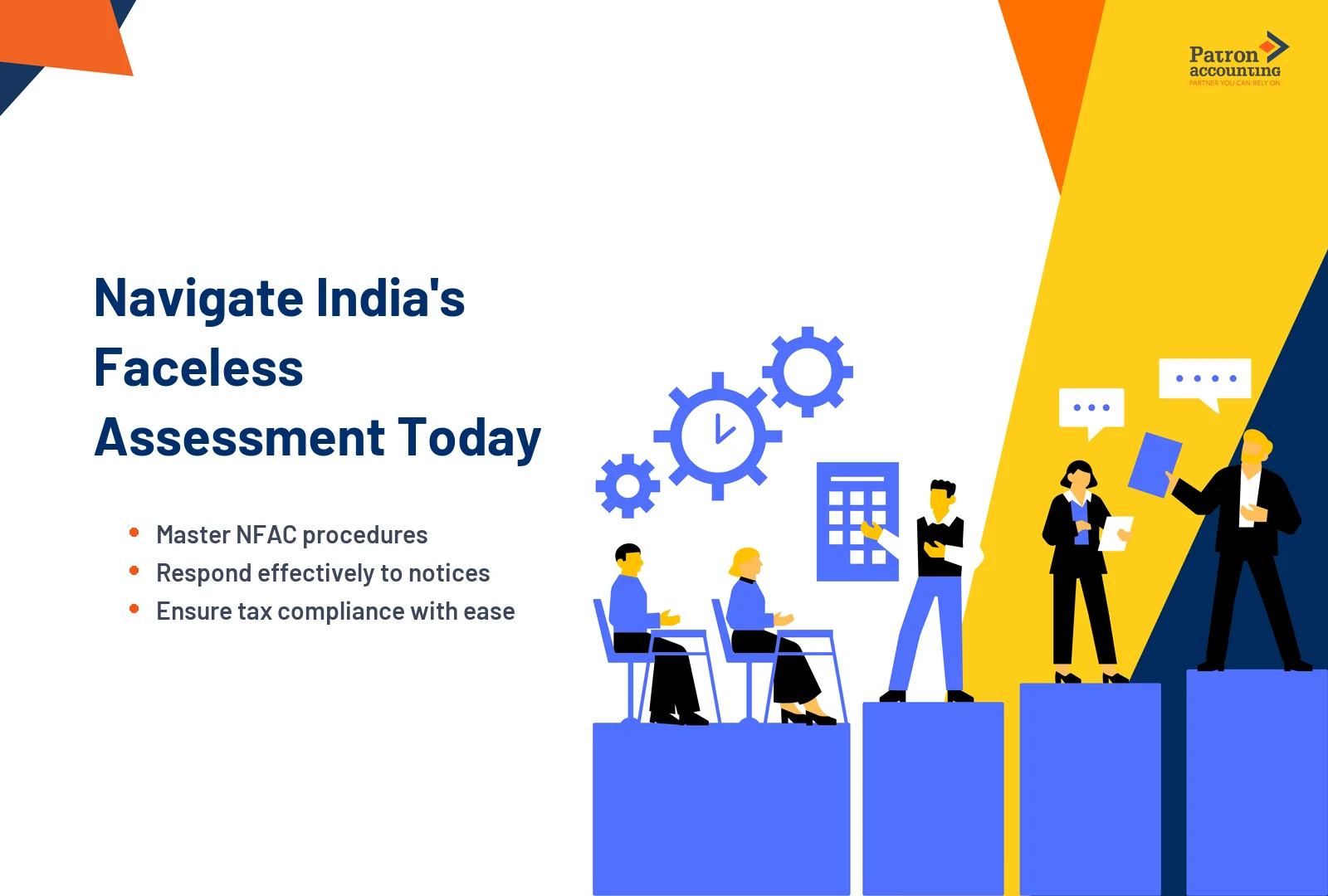
Receiving an income tax scrutiny notice used to mean long queues and multiple visits to the tax office. That changed when the government launched the faceless assessment scheme in 2019. Today, every scrutiny communication happens online through the National Faceless Assessment Centre (NFAC), and taxpayers never meet the officer reviewing their case. If you've received a notice or simply want to understand the process, this guide covers what NFAC assessment in India means, how it works, and how to file a proper faceless scrutiny reply.
What is Faceless Assessment Under Income Tax?
A faceless assessment is an electronic scrutiny of your income tax return conducted entirely online, without any physical interaction between you and the Assessing Officer. It operates under Section 144B of the Income Tax Act, 1961, introduced through the Faceless E-Assessment Scheme in September 2019.
Under this system, the NFAC acts as a centralized hub coordinating the entire process. Your case is randomly allocated to an Assessment Unit anywhere in India, which means geographic jurisdiction no longer applies. The officer in Delhi could be assessing a taxpayer from Chennai, and neither knows the other's identity. This anonymity is the backbone of income tax NFAC proceedings, designed to eliminate corruption and bring transparency into tax administration. If you're filing your income tax return correctly every year, the faceless system ensures your case gets a fair review.
Key Units in the NFAC Framework
The faceless assessment framework involves multiple specialized units. The NFAC is the central processing hub that issues notices, forwards responses, and delivers final orders. Regional Faceless Assessment Centres (RFACs) operate across different regions, each housing Assessment Units, Verification Units, Technical Units, and Review Units.
Assessment Units (AUs) examine your return, raise queries, and prepare draft orders. Verification Units conduct cross-checks with banks, employers, or third parties when needed. Technical Units provide expertise on complex matters like transfer pricing or valuation, while Review Units ensure the draft order is legally sound before finalization. Every interaction between these units passes through the NFAC, maintaining the anonymity of the process throughout.
Step-by-Step: How Faceless Assessment Works
Case selection and notice. NFAC selects cases based on risk parameters and data analytics. A notice under Section 143(2) is issued through the e-filing portal, with email and SMS alerts sent to your registered contact details.
Allocation and queries. The case goes to an AU through automated allocation. The AU raises specific queries or requests documents, which appear on your e-filing dashboard under "Pending Actions". You typically get 7 to 15 days to respond.
Show Cause Notice. If the AU proposes an addition to your income, a Show Cause Notice is served through NFAC. This is your opportunity to present your case and submit additional evidence. You can also request a personal hearing via video conferencing.
Final order. After the Review Unit clears the draft, NFAC finalizes and delivers the assessment order electronically. If you disagree, you can appeal before the Commissioner (Appeals) through the faceless appeal mechanism or approach the Dispute Resolution Panel.
How to Respond to a Faceless Assessment Notice
Log in to the Income Tax e-Filing Portal at incometax.gov.in and navigate to "E-Proceedings". Read the notice carefully, identify the exact queries raised, and prepare a structured response with supporting documents. If the issue involves TDS discrepancies, attach your Form 26AS reconciliation. For business income queries, include your profit and loss statement, balance sheet, and bank statements.
Upload everything before the deadline. If you need more time, request an adjournment through the portal before the due date. Late or missing responses can lead to a best judgment assessment under Section 144, which often results in higher tax demands and penalties.
Common Triggers for Faceless Scrutiny
The Income Tax Department uses data analytics and AI to flag returns showing anomalies. Common triggers include mismatches between declared income and Form 26AS or Annual Information Statement (AIS), large cash deposits, high-value property transactions, unusually high deduction claims, and declining profit margins despite rising turnover. Maintaining proper accounting records throughout the year keeps you prepared for any review.
Why Professional CA Representation Matters
While the faceless system is designed to be accessible, professional guidance significantly improves outcomes. A Chartered Accountant experienced in income tax proceedings can analyse notices, prepare well-structured responses with legal citations, manage deadlines, attend video conferencing hearings, and file appeals when necessary. For business owners and professionals with complex income sources, having a CA handle your NFAC representation is essential. They can also manage your business ITR filing in a way that minimizes scrutiny triggers from the start.
Conclusion
The faceless assessment system has transformed income tax scrutiny in India by removing physical interactions, introducing random case allocation, and enforcing digital communication. The key to handling any NFAC notice effectively is timely response, proper documentation, and professional guidance when issues are complex. If you've received a notice or want to strengthen your tax compliance, working with experienced professionals at Patron Accounting ensures nothing falls through the cracks.